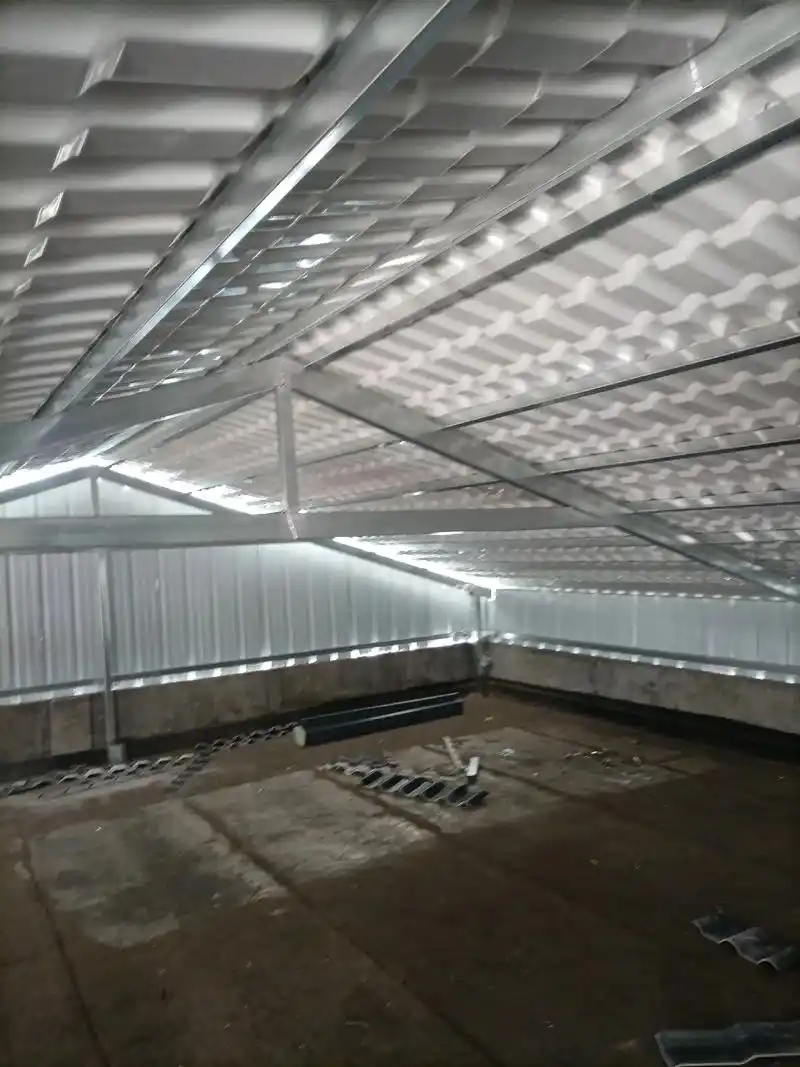

The roofing of a livestock farm is far more than just a shelter from the rain; it directly impacts animal health, operational costs, and the overall profitability of your agricultural business.
For decades, traditional materials like galvanized metal sheets and asbestos tiles were the industry standards for poultry barns, pig houses, and cattle sheds. However, these materials often fail under the harsh environmental conditions of modern intensive farming.
Today, ASA Synthetic Resin Roof Tiles have emerged as the ultimate game-changer for agricultural infrastructure. In this comprehensive guide, we will explore why modern farmers are upgrading to synthetic resin roofing and how it solves the unique challenges of livestock environments.
The Core Challenges of Traditional Livestock Roofing
Before diving into the benefits of resin tiles, it is crucial to understand why traditional roofing materials fail in farming environments:
- Chemical Corrosion: Animal waste, urine, and decomposing organic matter release massive amounts of corrosive gases, primarily ammonia (NH₃) and hydrogen sulfide (H₂S). When combined with moisture, these gases create a highly acidic environment that causes metal roofs to rust and degrade within just 3 to 5 years.
- Extreme Thermal Fluctuations: Metal sheets have high thermal conductivity. They turn barns into "ovens" in the summer and "freezers" in the winter. This severe temperature stress directly leads to reduced feed conversion rates, lower egg production, and higher livestock mortality.
- Acoustic Stress: Heavy rain or hail hitting a metal roof creates deafening noise. This sudden loud noise severely startles animals (known as animal stress reaction), leading to decreased immunity, panic injuries, or miscarriages in pregnant livestock.
Key Benefits of ASA Synthetic Resin Tiles for Livestock Housing
ASA synthetic resin roof tiles are engineered using co-extrusion technology with ultra-high weather-resistant engineering resin. This unique composition delivers unparalleled advantages for agricultural buildings.
1. Exceptional Anti-Corrosion and Chemical Resistance
This is the single most important reason why livestock farms choose resin tiles. The ASA surface layer is highly resistant to acid, alkali, and salt corrosion. Tests prove that resin tiles show no chemical reaction even after being soaked in a 60% acid or alkali solution for 24 hours. They easily withstand the high concentrations of ammonia and moisture inside pig and poultry barns, maintaining their structural integrity for decades without rusting or scaling.
2. Superior Thermal Insulation for Better Animal Welfare
Maintaining a stable ambient temperature is critical for maximizing livestock yields. Synthetic resin has a very low thermal conductivity coefficient (approximately 0.325 w/m·k, which is about 1/310 of clay tiles and 1/2000 of 0.5mm thick steel tiles).
- In Summer: It blocks external heat, keeping the barn temperature 3°C to 5°C cooler than metal-roofed structures.
- In Winter: It retains interior heat, reducing the energy costs required for artificial heating.
- A comfortable temperature reduces animal stress and optimizes feed-to-meat/egg conversion ratios.
3. Outstanding Sound Insulation and Noise Reduction
Rainstorms and hail are common triggers for livestock panic. Thanks to the acoustic shielding properties of the synthetic resin matrix, these tiles absorb impact noise efficiently. Phenolic and structural tests indicate that resin tiles can reduce external noise by up to 30 decibels compared to metal sheets. This creates a quiet, serene environment that keeps chickens, pigs, and cattle calm even during severe weather.
4. Long Lifespan and High Return on Investment (ROI)
While the initial purchase cost of ASA synthetic resin tiles may be slightly higher than low-grade metal sheets, the long-term ROI is vastly superior. Resin tiles boast a lifespan of 20 to 30 years under harsh outdoor conditions without requiring frequent coats of anti-rust paint or structural repairs. By eliminating the need for roof replacements every few years, farmers save massive amounts of money on labor and material costs.
5. Waterproof, Leak-Proof, and High Load Capacity
Resin tiles are designed in large, wide sheets with tight overlapping joints, minimizing the number of seams where leaks usually occur. Additionally, they feature excellent structural load-bearing capacity. They do not crack or deform under heavy snow loads or high winds, ensuring the absolute safety of the animals inside.
6. Lightweight and Easy to Install
Weighing only about 5-6 kg per square meter, synthetic resin tiles are lightweight, reducing the load-bearing requirements for the underlying steel or wooden trusses. This allows farmers to save on building foundation and structural framing costs. The large sheet size and simple fastening systems make installation fast and straightforward, drastically shortening the construction timeline.
Conclusion: Future-Proofing Your Agricultural Business
Modern livestock farming requires a shift toward sustainability, efficiency, and strict animal welfare standards. Upgrading to ASA Synthetic Resin Roof Tiles directly addresses the fatal flaws of traditional roofing by offering rust-proof durability, climate control, and noise reduction.
Investing in high-quality resin roofing means investing in the health of your herd, lower energy bills, and a maintenance-free infrastructure that lasts for decades.